
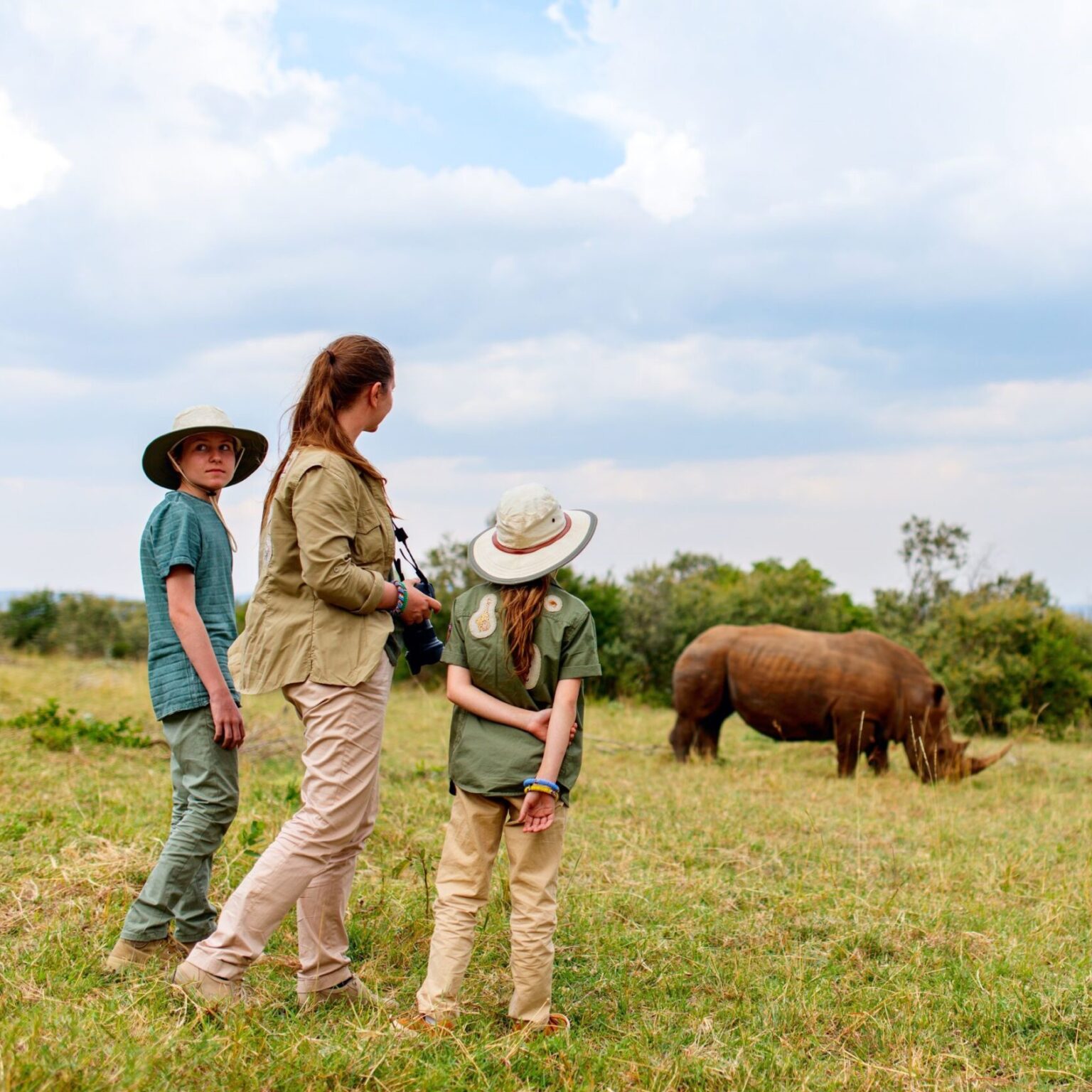
The operator you choose shapes almost everything about your safari: your guide, your vehicle, where you sleep and how smoothly the trip runs. Two quotes for the “same” itinerary can be very different trips. With hundreds of Kenya safari tour operators to choose from, this guide explains how to compare them (and Tanzanian operators too), what to compare in guides, vehicles, lodging and park fees, and the extra questions families should ask.
1. Check the licence and memberships
A reputable operator should hold a valid government tourism licence and ideally belong to a recognised industry association.
- Kenya: operators are licensed by the Tourism Regulatory Authority. Many are members of the Kenya Association of Tour Operators (KATO).
- Tanzania: operators need a Tourism Agency Licence (TALA). Many are members of the Tanzania Association of Tour Operators (TATO).
Ask for licence details before you pay a deposit. A good operator will share them without hesitation.
2. Read independent reviews
Look beyond the operator’s own website. TripAdvisor, Google and SafariBookings show how real travellers rated the guides, vehicles and organisation. Read recent reviews, check how the company replies to complaints and look for mentions of specific guides. As an example, Scenery Adventures is rated 4.9 out of 5 on TripAdvisor and 4.8 out of 5 on Google, and we have been planning safaris since 2008.
3. Compare the guides
Your guide makes or breaks the safari. Ask:
- How many years of experience do the guides have?
- Are they professionally certified? In Kenya, the Kenya Professional Safari Guides Association grades guides at bronze, silver and gold level.
- Do they speak your language fluently?
- Is the driver also the guide, or is there a separate specialist guide?
4. Compare the vehicles
- 4×4 Land Cruiser or safari minivan: 4×4 Land Cruisers handle rough roads and wet seasons better and are standard in Tanzania. Minivans are common on budget Kenya safaris and work well on the main routes.
- Pop-up roof: essential for standing and photographing wildlife.
- Window seat guarantee: ask how many guests share a vehicle.
- Extras: charging points, binoculars, a cool box with drinking water and a first-aid kit.
5. Compare the lodging
Accommodation is where quotes vary the most. Ask for the names of the actual camps and lodges, then look them up. Check:
- Location: inside the park or reserve, or outside the gate? Camps inside save driving time and give you more time with the wildlife.
- Style: budget tented camp, mid-range lodge or luxury tented camp.
- Board basis: full board (all meals) is standard on safari.
6. Check what is included, especially park fees
Park fees are the biggest fixed cost of a safari and the easiest way for a quote to look cheaper than it is. Check that every quote includes them.
- Masai Mara: non-resident adults pay US$100 per day from January to June and US$200 per day from July to December.
- Serengeti: US$82.60 per adult per day for most of the year, or US$70.80 from mid-March to mid-May.
- Ngorongoro Crater: a US$70.80 conservation fee per adult plus US$295 per vehicle for each crater descent.
Also check transfers, drinking water, activities such as balloon flights, tips, travel insurance and single supplements. Our Masai Mara safari cost guide and Tanzania safari cost guide show what a full budget looks like.
7. Check the booking terms
- How much is the deposit, and when is the balance due?
- What is the cancellation and refund policy?
- Can dates be changed, and at what cost?
- Is there a written itinerary with everything included and excluded?
What families should consider when choosing a Kenya safari operator
- Private vehicle: a private safari lets you plan shorter drives and rest breaks. See our private vs joining safari guide.
- Age policies: some camps and activities have minimum ages, so ask before you book.
- Family rooms: family tents or connecting rooms keep everyone together.
- Child rates: park fees for children are lower. In the Masai Mara, non-resident children aged 9 to 17 pay US$50 per day.
- Health: ask your doctor about malaria tablets suitable for children.
- Pace: mix game drives with pool time, a Maasai village visit or a walking safari at Lake Naivasha.
- Beach finish: ending at Diani Beach gives everyone time to relax.
What the best safari companies in Kenya have in common
The best safari companies in Kenya are licensed, transparent about what is included, name every lodge in the quote, employ experienced and certified guides, use well-maintained 4×4 vehicles and have a long record of independent reviews. They also answer questions quickly and honestly before you pay anything.
Red flags to watch for
- A price far below every other quote for the same parks and season
- No named lodges, only “standard accommodation”
- Park fees listed as an extra paid on arrival
- Pressure to pay the full amount immediately
- No physical office address or licence details
Frequently asked questions
How do I compare Kenya safari tour operators?
Ask each operator for its licence, the names of the lodges, the vehicle type, the guide’s experience and a written list of what is included, then compare like with like.
How do I know a safari operator is legitimate?
Check its government licence, industry memberships, physical office address and independent reviews on TripAdvisor, Google or SafariBookings.
Is it cheaper to book a safari directly with a local operator?
Usually, yes. Booking with a local operator avoids the extra margin of an overseas agent, and you deal directly with the team running your trip.
What should be included in a safari price?
A good quote includes the vehicle and guide, park fees, accommodation, meals, drinking water on game drives and transfers, with any extras listed clearly.
Should families book a private safari?
In most cases, yes. A private vehicle gives families the flexibility to plan around children’s energy and attention.
Talk to our team
We are happy to answer every question on this list before you book. Request a free proposal or read our traveller reviews.
Leave a Reply