
Planning your first safari can feel overwhelming: which parks, how many days, when to go and which package to choose? Kenya is one of the best places in Africa for a first safari, with world-famous wildlife, easy road access from Nairobi and options for every budget. This guide explains how to plan a first Kenya safari itinerary, the best itineraries for the Big Five and the Great Migration, and what to expect.
Why Kenya is ideal for a first safari
- Easy to reach: Nairobi is a major hub with flights from Europe, the Middle East, Asia and North America, and the Masai Mara is a short drive or flight away.
- Big game guaranteed: the Masai Mara has some of the highest densities of lions and cheetahs in Africa.
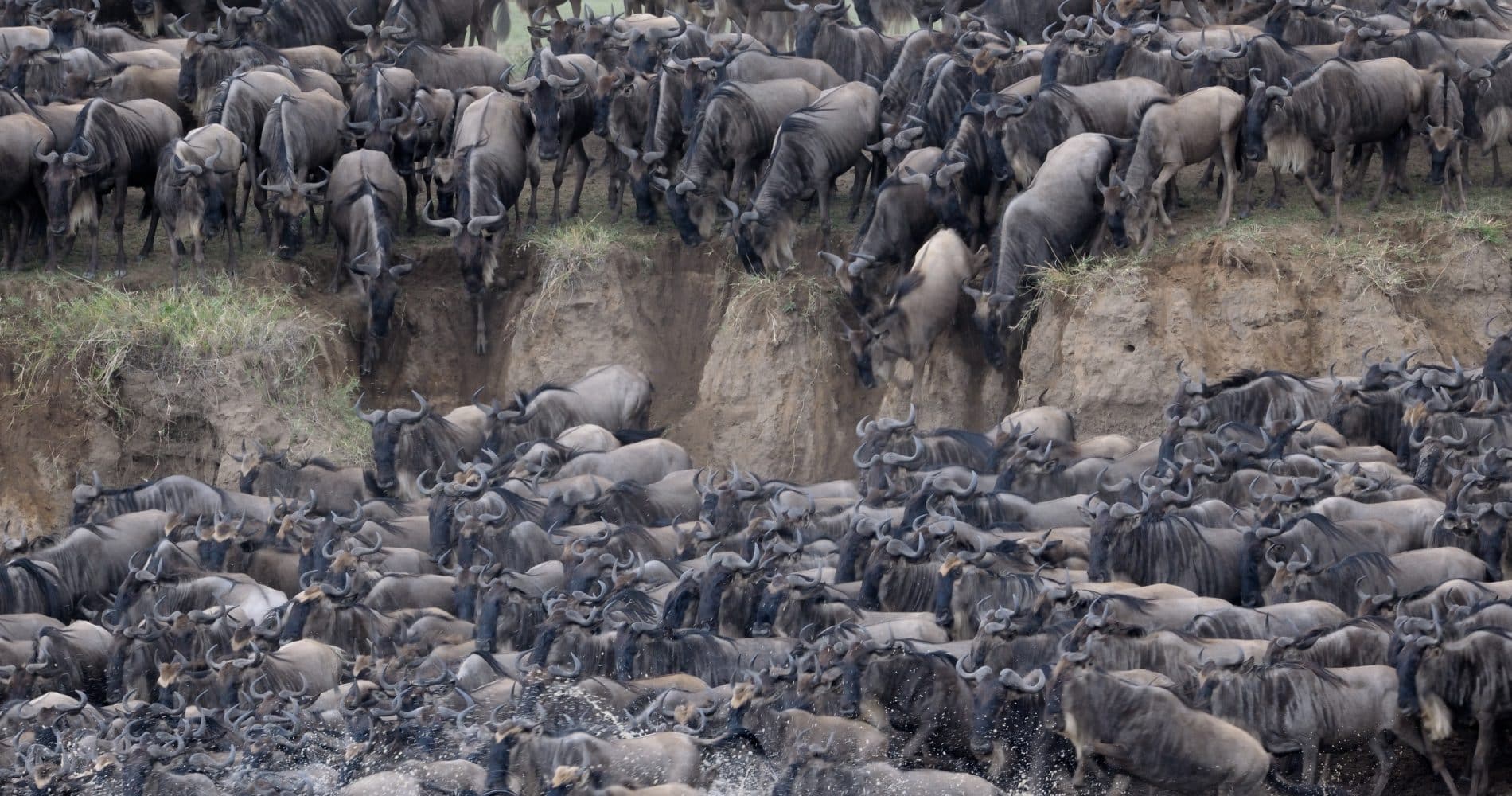
- The Great Migration: from about July to October, huge herds of wildebeest and zebra cross into the Mara from the Serengeti.
- Safari and beach in one trip: finish on the white sand of Diani Beach.
- Every budget: from shared joining safaris to private luxury camps.
Where to see the Big Five in Kenya
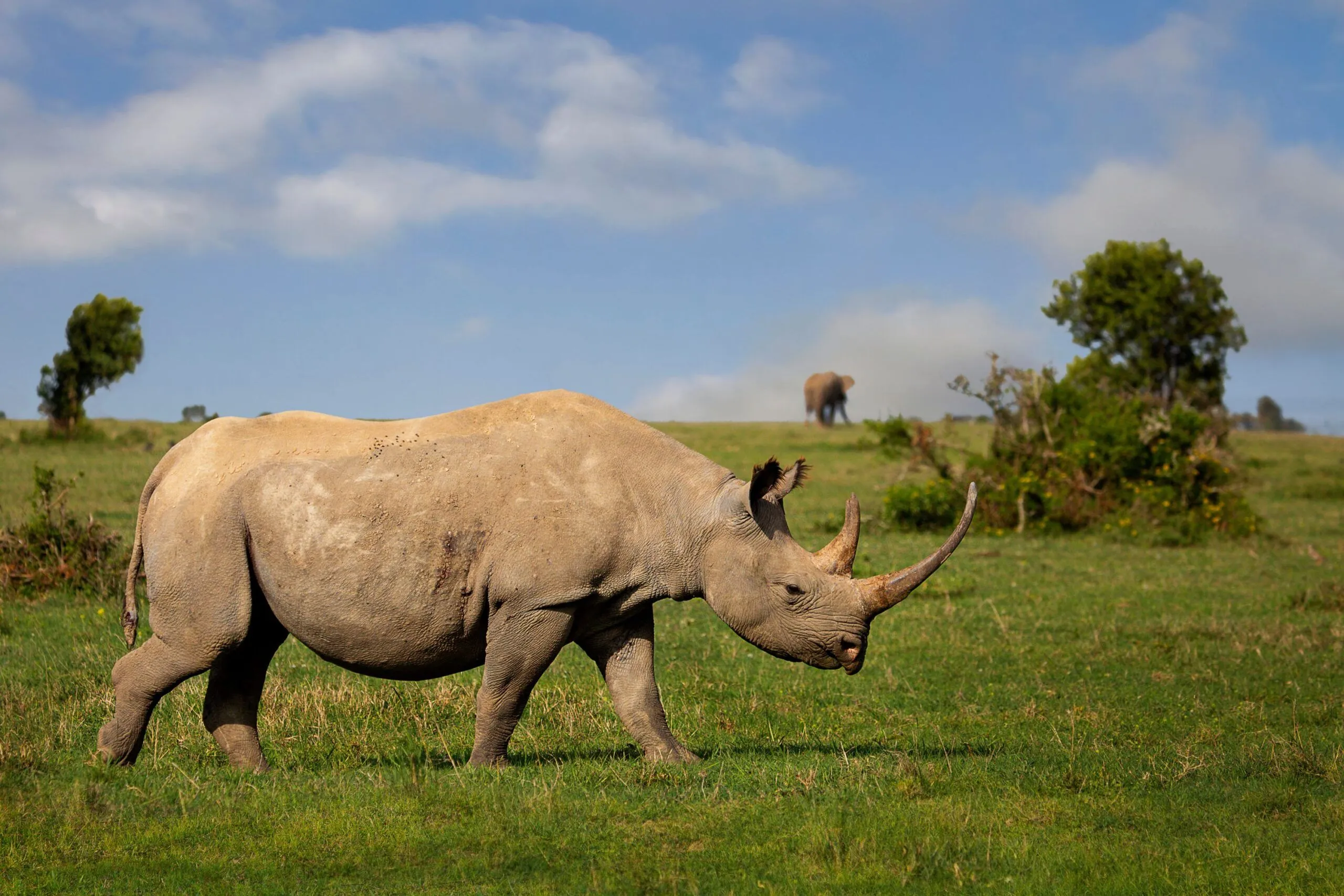
The Big Five are the lion, leopard, elephant, buffalo and rhino. The Masai Mara is excellent for four of them, but rhinos are rare there, so first-timers who want all five usually add a park with a strong rhino population.
- Masai Mara: lion, leopard, elephant, buffalo and cheetah, plus the migration in season.
- Lake Nakuru National Park: one of the best places in Kenya to see both black and white rhinos, along with flamingos and tree-climbing lions.
- Ol Pejeta Conservancy: home to black and white rhinos and a chimpanzee sanctuary.
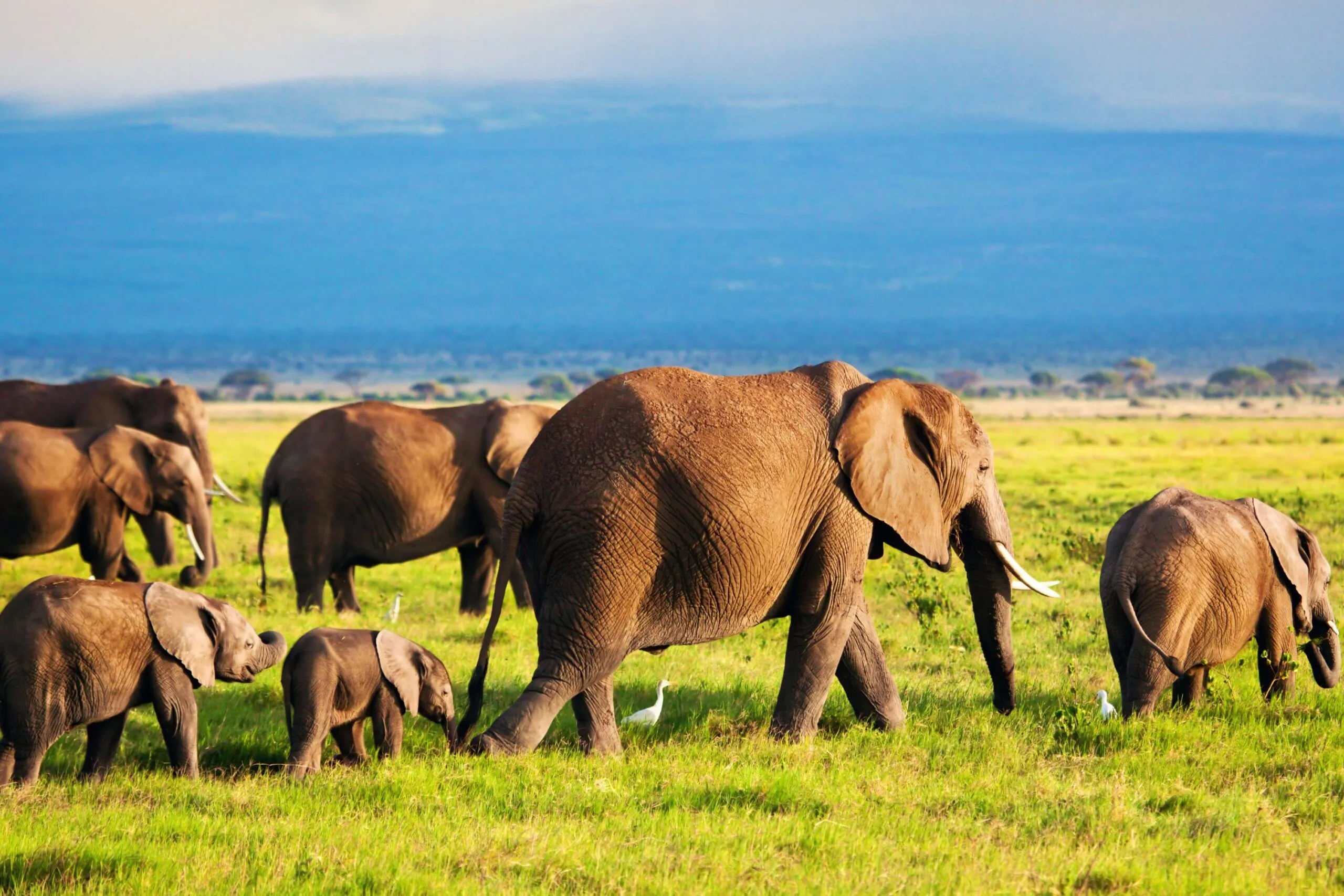
- Amboseli National Park: big elephant herds with Mount Kilimanjaro behind them.
Best Kenya safari itineraries for first-timers
4 days: Lake Nakuru and the Masai Mara
The shortest trip that gives you a real chance of the Big Five. Spend one day at Lake Nakuru for rhinos, then two to three days in the Mara. See our 4 Days Lake Nakuru and Masai Mara Big Five Safari from US$1,308 per person.
5 to 7 days: the Rift Valley lakes and the Mara
Add Lake Naivasha for a boat safari and a walking safari, plus a Nairobi city tour. Try the 5-Day Lake Naivasha, Lake Nakuru and Masai Mara Safari from US$1,969 or the 7 Days Kenya Safari: Naivasha, Masai Mara and Nairobi from US$2,194.
8 days: rhinos, lakes and the Mara
The 8 Days Wild Safari: Ol Pejeta, Lake Nakuru and Masai Mara from US$2,300 is our best Big Five route, with two strong rhino areas before the Mara.
10 days: safari and beach
The 10 Days Kenya Safari: Masai Mara, Amboseli and the Coast from US$2,596 adds Kilimanjaro views and four days on the coast.
Which itinerary is best for the Big Five and the Great Migration?
For both, travel between July and October and combine Lake Nakuru or Ol Pejeta (for rhinos) with at least three nights in the Masai Mara (for the migration and big cats). River crossings are most frequent from about August to September, but they are unpredictable, so more days in the Mara means better chances. Our month-by-month Masai Mara guide explains what to expect in each season.
How many days do you need?
- 3 days: the Masai Mara only. Great for a short trip, but rhinos are unlikely.
- 4 to 5 days: the Mara plus Lake Nakuru. The sweet spot for most first-timers.
- 7 to 8 days: three parks at a relaxed pace with fewer long drives.
- 10 or more days: safari and beach.
Private or joining safari?
Joining safaris are the cheapest way to see the Mara and suit solo travellers. Private safaris are better for families, couples and photographers. Our private vs joining safari guide compares both in detail.
Practical tips for first-time visitors
- Entry: most visitors, including US and UK citizens, need Kenya’s online Electronic Travel Authorisation (eTA), which costs around US$30. Apply through the official portal at least a week before you fly.
- Health: ask your doctor about recommended vaccinations and malaria tablets for safari areas.
- Packing: neutral colours, layers for cold early mornings, a hat and binoculars. See our Kenya safari packing list.
- Budget: check whether park fees are included in your quote. Our Masai Mara safari cost guide explains the numbers.
- Booking: reserve 6 to 12 months ahead for July to October and December.
Frequently asked questions
How much does a first Kenya safari cost?
Our Kenya safari packages range from US$450 per person for a 3-day joining Masai Mara safari in low season to about US$2,600 for a 10-day safari and beach holiday.
What is the best Kenya safari for first-timers?
A 4 to 5-day safari combining Lake Nakuru and the Masai Mara gives the best mix of the Big Five, the big cats and value.
What is the best Kenya safari itinerary for a first trip?
For most first-timers, the best Kenya safari itinerary is four to five days: one day at Lake Nakuru for rhinos, then three days in the Masai Mara for big cats and, in season, the migration.
When is the best time for a first Kenya safari?
July to October for the Great Migration, or January to March for dry weather, great game viewing and lower Masai Mara park fees.
Is Kenya safe for a safari?
Kenya welcomes hundreds of thousands of safari visitors every year. Travelling with a licensed operator and following your guide’s advice keeps your trip safe and smooth.
Can I see the Big Five in the Masai Mara alone?
You can see lion, leopard, elephant and buffalo there, but rhinos are rare. Add Lake Nakuru or Ol Pejeta for the best chance of all five.
Book your first Kenya safari
Tell us your dates and interests and we will design the right first safari for you. Request a free proposal.
Leave a Reply