
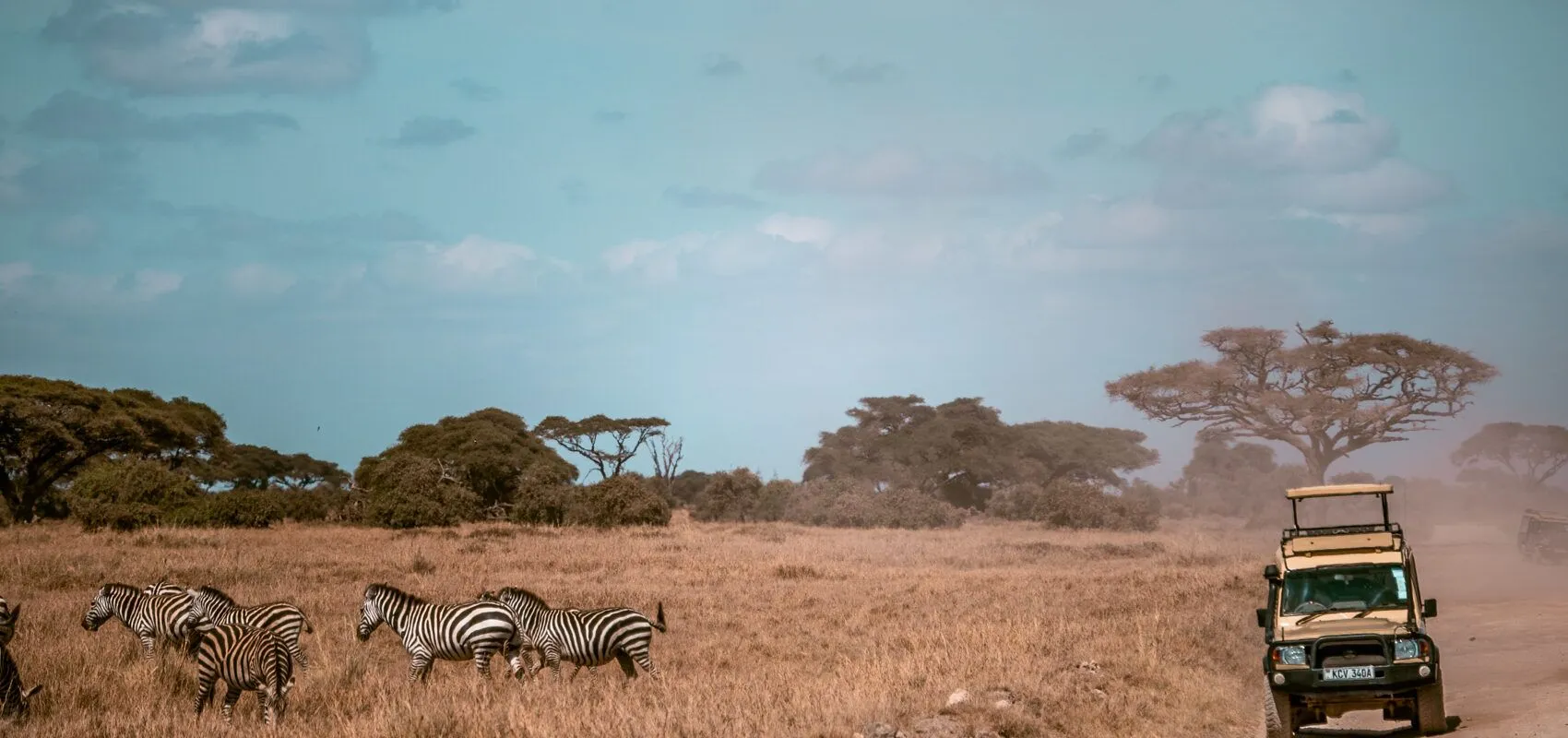
Packing for a safari is different from packing for a city break or a beach holiday. You will spend long hours in a vehicle, mornings can be surprisingly cold, afternoons are hot and dusty, and some lodges and light aircraft have strict luggage limits. This Kenya safari packing list covers exactly what you need, and nothing you don’t.
Kenya safari packing list: luggage tips before you pack
- Use a soft-sided bag. Safari vehicles have limited space, and soft bags are easier to fit than hard suitcases.
- Fly-in safaris have weight limits. Light aircraft to the Masai Mara and other parks usually limit luggage to around 15 kg per person, including hand luggage. Check with your operator before you travel.
- Leave plastic bags at home. Kenya enforces a strict ban on single-use plastic bags, and they can be confiscated on arrival.
What to wear on a Kenya safari
Choose neutral colours
Khaki, beige, olive and light brown are ideal. They hide dust, stay cooler in the sun and help you blend into the landscape. Avoid bright white, which shows dirt quickly, and dark blue or black, which can attract tsetse flies in some areas.
Pack in layers
Early morning game drives in open vehicles can be chilly, especially in the Masai Mara and around Mount Kenya. By midday it is often hot. Layers let you adjust as the day warms up.
Clothing checklist
- 3 to 4 lightweight, breathable shirts (a mix of short and long sleeves)
- 2 pairs of comfortable trousers or convertible zip-off pants
- 1 pair of shorts
- 1 warm fleece or light jacket for early mornings and evenings
- 1 lightweight waterproof jacket, especially from March to May and in November
- Comfortable closed walking shoes or trainers
- Sandals or flip-flops for camp
- Wide-brimmed hat or cap
- Swimwear, as many lodges have pools
- Sleepwear and enough underwear and socks
Essentials and documents
- Passport valid for at least six months, with blank pages
- Approved Kenya Electronic Travel Authorisation (eTA), if required for your nationality, printed or saved on your phone
- Yellow fever certificate if you are arriving from a country where yellow fever is present
- Travel insurance details
- Some US dollars or Kenyan shillings in small notes for tips and souvenirs
- Copies of your booking confirmations
Health and comfort items for your Kenya safari packing list
- Sunscreen with a high SPF
- Insect repellent
- Any prescription medication, plus malaria tablets if advised by your doctor
- A small first aid kit: plasters, painkillers, rehydration sachets and motion sickness tablets for bumpy roads
- Lip balm and moisturiser for dry, dusty conditions
- Hand sanitiser and wet wipes
- Sunglasses
Safari camera gear and gadgets
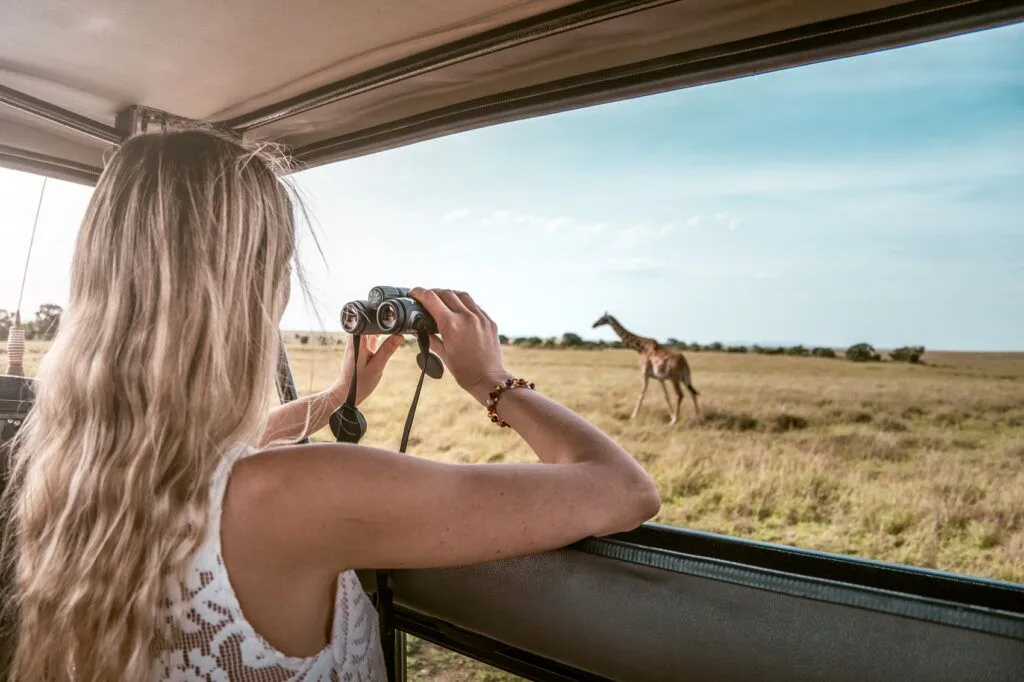
- Binoculars: the most underrated safari item. One pair per person makes a huge difference.
- Camera with a zoom lens: 100 to 400 mm is ideal for wildlife. A smartphone works well for landscapes.
- Spare memory cards and batteries
- Power bank and a UK-style three-pin plug adapter (Kenya uses type G sockets)
- A dust-proof bag or cover for your camera
Planning to bring a drone? Kenya requires a permit from the Kenya Civil Aviation Authority before arrival, and drones are generally not allowed inside national parks without special permission.
Safari items people often forget to pack
- A headtorch for walking around camp at night
- A reusable water bottle
- A scarf or buff to keep dust off your face
- A small daypack for game drives
- Snacks for long drives between parks
Extra items for safari and beach trips
Combining your safari with the coast? Add reef-safe sunscreen, a light cover-up, water shoes for snorkelling and a beach bag. Our guide to a Kenya safari and beach holiday shows how to plan both in one trip.
Safari packing list for women
- Light, breathable long-sleeve shirts or blouses in neutral colours for sun and insect protection
- Comfortable trousers or leggings for long drives
- A sports bra, which is far more comfortable on bumpy roads
- A light scarf or sarong that doubles as a dust cover, shawl or beach wrap
- A modest outfit for town visits, cultural visits and the coast
- A small cross-body bag for cash and your phone
Safari packing list for men
- Quick-dry shirts in khaki, olive or beige
- Convertible trousers that zip off into shorts
- A fleece or softshell jacket for cold morning game drives
- A cap or bush hat with a neck cover
- Comfortable trainers plus sandals for camp
Packing for kids and family safaris
Children feel the cold on early game drives, so pack warm layers, a beanie and gloves for June to August. Add their own binoculars, a wildlife spotting book, snacks, wet wipes, motion sickness tablets for long drives and a tablet loaded with films for travel days. Child-friendly sunscreen and insect repellent are essential.
Kenya safari packing list by season
Dry season (late June to October, January to February)
Expect dust and cool mornings. Pack a buff or scarf for dust, a warm fleece and plenty of sunscreen. June to August evenings in the Masai Mara and central highlands can feel cold.
Rainy season (March to May, November)
Pack a lightweight waterproof jacket, quick-dry clothing, a dry bag for your camera and an extra pair of shoes. Rain usually falls in short afternoon or evening showers rather than all day.
Packing for gorilla trekking and mountain climbing
If your trip includes gorilla trekking in Uganda or Rwanda or a Mount Kenya trek, add waterproof hiking boots with good grip, gardening gloves for grabbing vegetation, long socks to tuck trousers into, a rain jacket and a small backpack. For Mount Kenya you will also need thermal layers, a warm hat and gloves for the cold summit night.
Kenya travel requirements to check before packing
- Electronic Travel Authorisation (eTA): most international visitors must apply online through Kenya’s official eTA portal before travelling. Many African nationals and East African Community citizens are exempt, so check the rules for your passport.
- Passport: valid for at least six months, with at least one blank page.
- Health: check vaccination requirements and malaria advice with your doctor or travel clinic.
- Money: M-Pesa and cards are widely used in Kenya, but carry small cash for tips and markets.
Printable Kenya safari packing checklist
- Passport, eTA approval, insurance and booking documents
- 4 to 5 neutral-coloured tops (short and long sleeve)
- 2 to 3 pairs of trousers or convertible pants
- Warm fleece and light waterproof jacket
- Walking shoes and sandals
- Hat, sunglasses, sunscreen and lip balm
- Insect repellent and personal medication
- Binoculars, camera, spare batteries and memory cards
- Power bank and type G (UK-style) plug adapter
- Headtorch, reusable water bottle and daypack
- Swimwear and beach items for coast extensions
Frequently asked questions
Do I need special safari clothes?
No. Comfortable, breathable clothes in neutral colours are all you need. There is no need to buy expensive safari brands.
Is there laundry at safari camps?
Many lodges and camps offer a laundry service, often at a small extra cost, so you can pack less on longer trips.
What shoes are best?
Comfortable trainers or light walking shoes are perfect for most safaris. Bring sturdier hiking boots only if you plan walking safaris, gorilla trekking or a mountain climb.
What should I not wear on a safari in Kenya?
Avoid bright colours, which can disturb animals, and dark blue or black, which attract tsetse flies in some parks. Leave expensive jewellery at home.
Can I wear jeans on safari?
You can, but jeans are heavy, hot and slow to dry. Lightweight cotton or quick-dry trousers are much more comfortable.
How much luggage can I take on a safari?
On road safaris you can usually bring one medium soft bag plus a daypack. On fly-in safaris, luggage is often limited to around 15 kg per person in soft bags.
Do I need a visa for a Kenya safari?
Kenya has replaced visas with an Electronic Travel Authorisation for most visitors. Apply online before you fly; airlines check your approval at check-in.
Ready for your safari?
Now that your bag is sorted, choose your adventure. Our 3-day Masai Mara joining safari is ideal for first-timers, and the 3-day Amboseli safari offers elephants with Mount Kilimanjaro views. Explore all our Kenya tours.
Leave a Reply